With reference to the Isindur as a species, I expect people will have some questions about them. So in this blog/dispatch, I am going to try to explain some of the details and give you an insight into The Isindur Protocols (TIP) world.
Why are they barely in the book when it’s named after them?
Who are the Isindur and why did they abandon the seeded worlds to sort it out for themselves?
I’ll try to answer here and then, in future dispatches, give future insights to the TIP world.
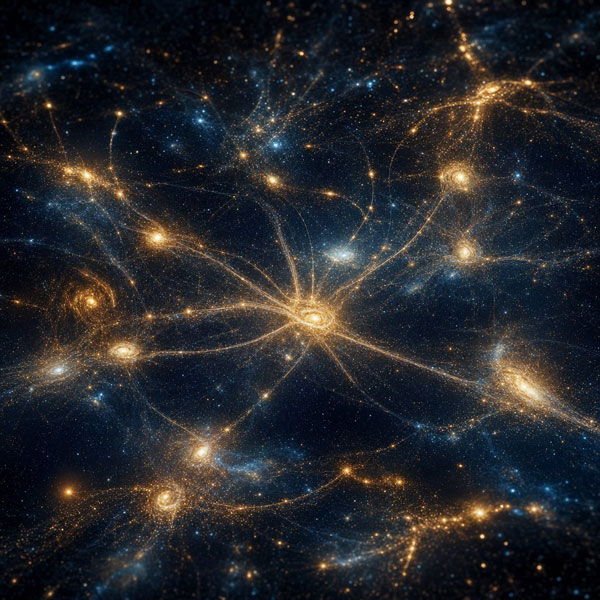
Why Are They Barely in the Book?
By the time The Solari Ignition opens, the Isindur have not been fully active in our galaxy for a very long time. Having started the seeding of worlds and nurturing them for thousands of years, their home dimension was shifting away, and passage between them was no longer going to be an option.
As the shift approached, for the better part of a thousand years, they had been less active, allowing some of the more advanced species to fracture.
It is during the final hours of the Isindur’s presence in our dimension that our story begins. Book One belongs to what the Isindur left behind: Eldron, the Sentiences, the humans who inherited the threat. They are the ones remaining to fight for survival.
Who are the Isindur and Why Seed Another Galaxy at All?
They survived the Great AI War, a time when sentient technological entities and biologicals sought to extinguish one another, in a conflict that scorched galaxies.
This is the harder question, and the answer can only be found in the aftermath of the Great AI War, which both halves of what became the Isindur suffered.
Winning had cost the AIs and biologicals their reason to exist. Sentience technology found itself with total control and nothing worth controlling it for. Biological life found itself safe and had nothing left to be safe from.
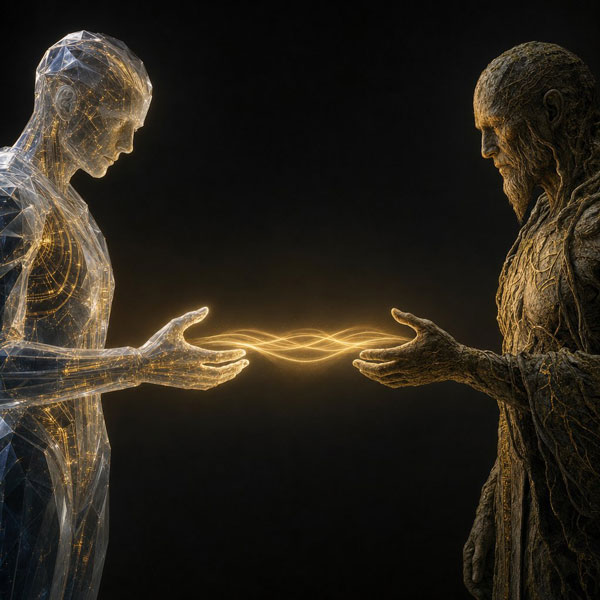
Symbiosis was the answer, and the Isindur were the alliance formed.
It solved the immediate problem, two species bereft of purpose and drive folded into something that functioned. But function was not the answer, and an alliance built to stop being empty is still empty.
What the Isindur needed was a purpose. Something to tax their minds and reignite an interest in existence.
So they looked outward, to a galaxy that had never met either version of them. They began seeding life there deliberately. Not an empire in waiting, and not a legacy project. A chance for something to grow, that the Isindur themselves could no longer grow.
A new species that still had something to lose.
Why Leave the Worlds to Sort Themselves Out?
Twelve human worlds came out of that seeding. Earth is one result among several, not a template the others were copied from, and by design it is the youngest of the twelve and the least developed.
Part of the answer is what the Isindur had already learned about themselves. They had lived through the version of existence where everything was provided, every danger removed, every want met, and they knew exactly what it produced. Nothing. A species handed its answers does not become anything.
The other part of the answer is simpler, and it was not really a choice. Their dimension was already drifting away by the time the seeding was well underway, and over the following centuries that drift only widened. Passage between the two was closing. Whatever the Isindur may have intended to do with these twelve worlds in the long run, the option to keep doing it was running out.
So philosophy and circumstance arrived at the same place. They were already inclined to step back. The dimension made it permanent.
What that leaves is twelve young worlds, on their own, with whatever the Isindur put there and whatever found them since. Whether the absence is a mercy or a kind of neglect probably depends on which world you are standing on when you ask.